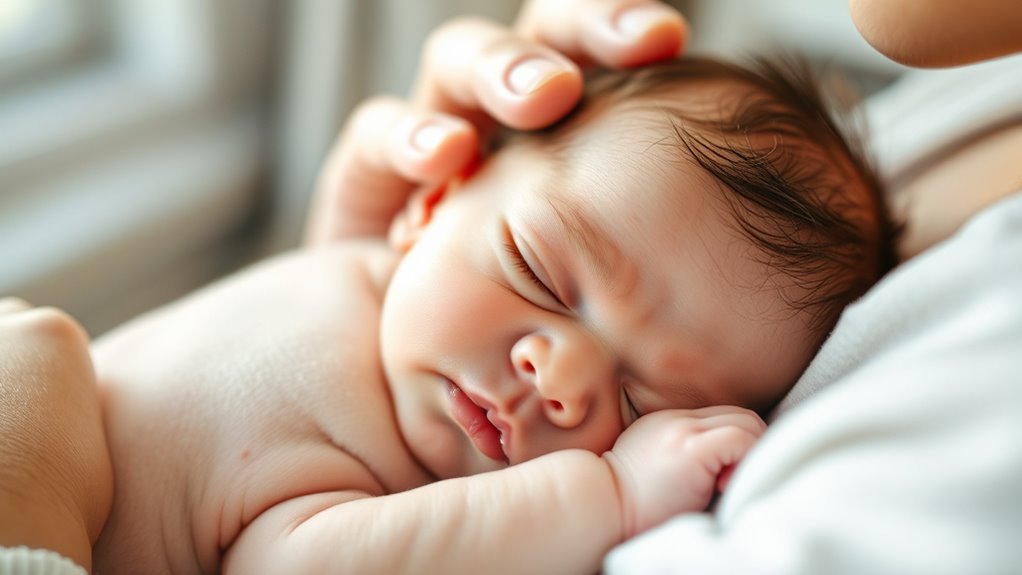
Why Does My Baby Only Sleep When Held?
Your baby only sleeps when held because close contact gives them warmth, security, and soothing rhythms that help their developing nervous system feel calm and safe. They’re used to the snug environment of the womb, so being held recreates that comfort.
Since their neurological development isn’t complete yet, they rely on you to regulate their emotions and sleep patterns.
If you want to encourage independent sleep, understanding these needs is a helpful place to start. Babies crave that closeness because it mimics the cozy, safe feeling they had before birth.
When you hold your baby, you’re providing more than just physical support—you’re helping them feel emotionally secure.
So, next time your little one only sleeps when held, remember it’s all about meeting their deep need for warmth and comfort. With patience and understanding, you can gently guide them toward sleeping on their own.
Key Takeaways
- Babies sleep only when held because they find comfort in physical contact, warmth, and soothing rhythmic sounds.
- Their neurological development is still immature, so it’s tough for them to self-soothe and sleep on their own.
- Holding them feels like being back in the womb, where they experienced pressure, a steady heartbeat, and familiar smells. This all helps them feel safe and secure.
- Physical contact also helps regulate their nervous system and emotional responses, which reduces anxiety and discomfort.
- Often, babies who only sleep when held are dealing with separation anxiety or physical discomfort like reflux or gas.
- So, it’s pretty normal for little ones to want that extra closeness and reassurance at bedtime.
Why Babies Sleep Only When Held
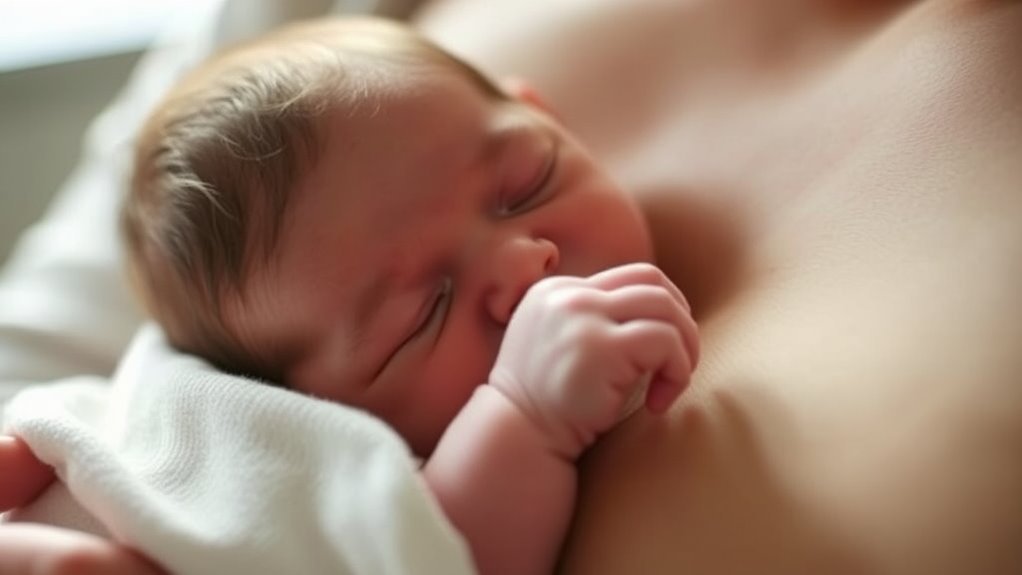
Although it can be challenging, your baby often only sleeps when held because they find comfort in close physical contact, warmth, and soothing rhythmic sounds. When held, your baby feels secure, which helps regulate their nervous system and promotes a sense of safety.
Babies sleep best when held, finding comfort in warmth, touch, and soothing rhythms that foster security.
Their neurological maturity isn’t fully developed yet, making self-soothing difficult. This means they rely heavily on being held to experience comfort and calmness. The pressure, heartbeat, and familiar smells you provide mimic the womb environment, reinforcing attachment and helping your baby settle.
Because their nervous system is still maturing, they need your presence to regulate their emotions and sleep patterns. Separation anxiety or discomfort from reflux or gas can also make them prefer being held to feel safe.
Until your baby develops the skills to self-soothe independently, holding them remains essential for creating that secure environment they need to relax and drift off to sleep.
How to Help Your Baby Sleep Independently
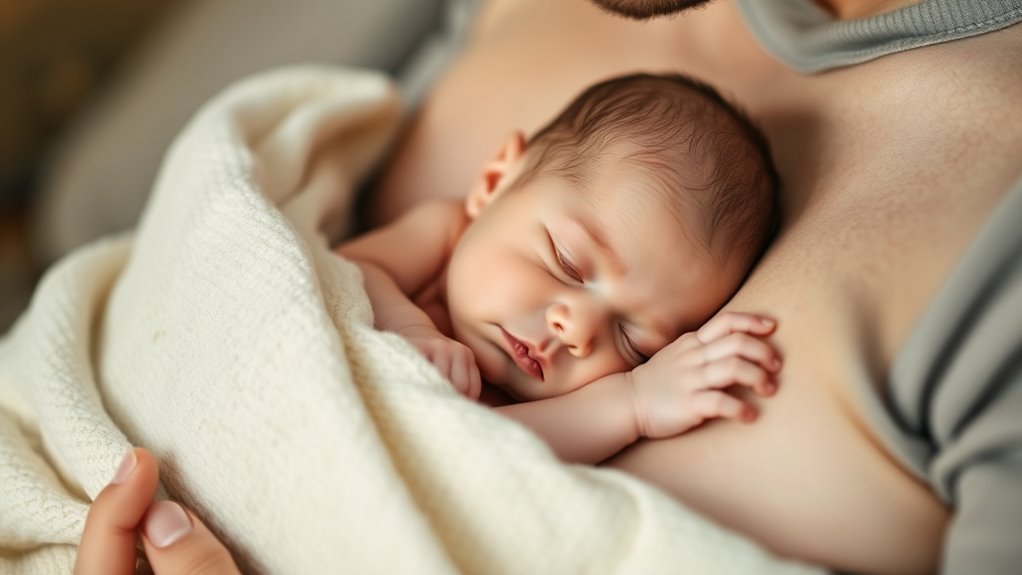
Getting your baby to sleep independently can feel like a big step after they’ve grown used to falling asleep only when held.
Start by creating a consistent bedtime routine with calming activities that serve as clear sleep cues. It really helps to introduce your baby to their sleep environment gradually. Try placing them in their crib during daytime naps to build positive sleep associations.
Aim to put your baby down drowsy but awake so they can practice self-soothing. You can use gentle sleep training methods, like offering a pacifier or white noise, to support this process.
Remember, consistency is essential—stick to the routine and be patient during this gradual shift. Over time, your baby will learn to fall asleep on their own, developing independent sleep habits that make bedtime smoother for both of you.
Embracing these steps helps your baby feel secure while encouraging the skills needed for restful, independent sleep. It’s a process, but you’ve got this!
Frequently Asked Questions
How Do I Get My Baby to Sleep Without Being Held?
You can help your baby sleep without being held by gently placing them drowsy but awake in their crib. Using consistent bedtime routines really makes a difference.
Try adding soothing cues and practicing naps in the crib to build comfort. This encourages your little one to self-soothe and settle on their own.
What Is the Hardest Month of a Baby?
You’ll find the hardest month is around six weeks—like a stormy sea of fussiness and sleepless nights.
You’ll ride waves of cluster feeding and erratic sleep, but hang tight; calmer shores come soon after.
At What Age Do Babies Sleep Without Being Held?
Babies usually start sleeping without being held around 4 to 6 months old. You’ll notice they develop self-soothing skills and can handle independent sleep better as their nervous system matures and routines become consistent.
It’s kind of amazing how they grow into this, right? Once they get the hang of their own little bedtime routine, it just gets easier for everyone.
How Do I Get My Clingy Baby to Sleep?
Did you know 50% of babies resist independent sleep initially? You can help your clingy baby sleep by establishing a calming routine, gradually increasing crib time, using soothing techniques, and staying close to offer gentle reassurance.
It’s totally normal for babies to want extra comfort at bedtime. Try breaking things down into small steps and be patient — you’ve got this!
Conclusion
Think of your baby as a tiny seedling, cradled in your hands, seeking warmth and safety to grow strong. When you hold them, you’re their shelter from the storm, their comfort in a vast, unfamiliar world.
Helping them sleep independently is like gently planting that seedling in soft soil—giving them space to stretch their roots while still feeling your steady support nearby.
With patience, your baby will bloom, learning to rest on their own. Remember, it’s completely normal for babies to only sleep when held at first.
As they grow, encouraging independent sleep will help your baby feel secure and comfortable without constant holding. This way, you’re supporting their development and helping them build healthy sleep habits that benefit both of you. It’s a gentle process, but with time, your baby will learn to sleep independently and peacefully.