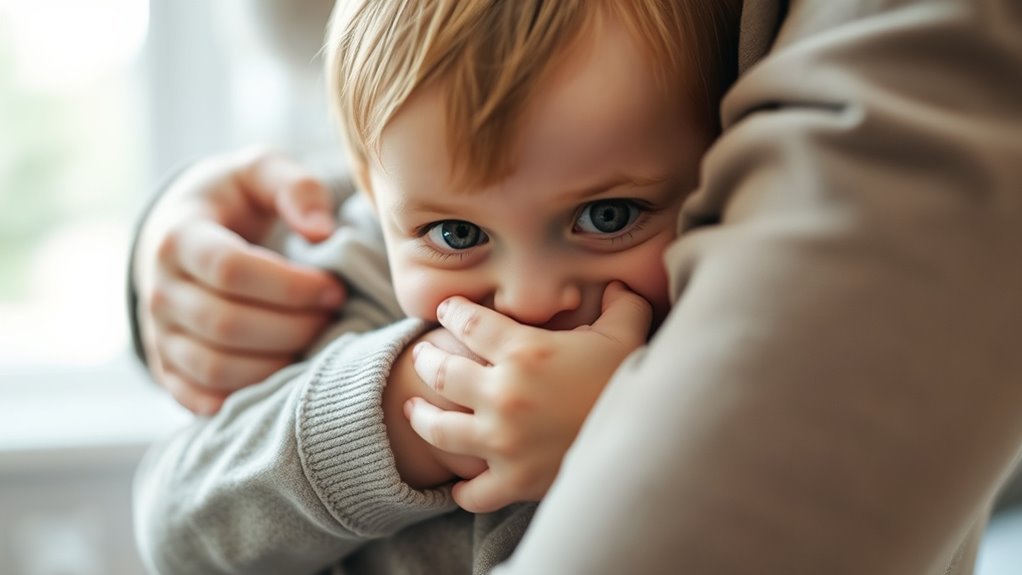
What Is a Velcro Baby and Why Do They Cling?
A Velcro baby is one who constantly wants to be held or close to you, showing strong attachment and healthy bonding. This clinginess usually peaks around 9 to 12 months and is a normal part of their emotional development as they seek reassurance and feel secure.
It might feel a bit overwhelming at times, but it’s really a sign of trust, not a problem. These little ones just want to stay close because it makes them feel safe.
You’ll find helpful ways to support both your baby and yourself ahead. It’s all about understanding their needs and finding a balance that works for everyone.
Key Takeaways
- A Velcro baby constantly wants to be held or near caregivers, showing natural attachment behavior.
- Clinginess peaks around 9 to 12 months due to separation anxiety and need for reassurance.
- This behavior reflects healthy emotional security and strong bonding with caregivers.
- Clinginess is a normal developmental phase that usually decreases as the child gains independence.
- Supporting Velcro babies includes babywearing, consistent routines, and balancing closeness with caregiver self-care.
What Is a Velcro Baby and Why Is Clinginess Normal?

Although it can feel overwhelming at times, having a Velcro baby—one who constantly wants to be held or near you—is completely normal. This clinginess is a natural part of your child’s normal development, especially during early child development stages.
Around 9 to 12 months, separation anxiety often peaks, making your baby seek constant physical closeness for reassurance. This behavior shows healthy attachment and emotional security; your Velcro baby trusts you and feels safe when close.
Clinginess isn’t a sign of something wrong but rather a positive indication of healthy bonding between you and your child. As they grow and gain independence, their need for constant closeness usually lessens.
How to Support Your Velcro Baby While Taking Care of Yourself

Your Velcro baby’s need for constant closeness can feel demanding, but you don’t have to sacrifice your own well-being to meet their needs. Prioritize self-care by taking short breaks during naps for stretching or deep breathing to recharge your emotional well-being.
Use babywearing or slings to keep your little one close while freeing your hands for caregiving tasks. Establish consistent routines to provide a sense of security and reduce clinginess over time.
During separation, offer reassurance with simple words and comforting gestures to build trust and ease anxiety. Remember, bonding doesn’t mean you have to be physically attached every moment.
Seek support from your partner, family, or parenting groups to share caregiving responsibilities and prevent burnout. By balancing your child’s need for closeness with your self-care and consistency, you foster a healthy environment where both of you can thrive emotionally and physically.
Frequently Asked Questions
How Long Does a Baby Stay a Velcro Baby?
A baby usually stays a Velcro baby for 1 to 3 weeks, but it can last several months depending on their temperament and development.
You’ll notice clinginess lessen as they start walking and talking, often by age two.
It’s pretty normal for some babies to be extra clingy for a while.
But don’t worry, as they grow and get more confident, they begin to explore on their own.
What Is a Bubble Baby Vs Velcro Baby?
You might think a bubble baby lives in a literal bubble, but it’s all about fragile health needing nonstop care.
A Velcro baby, though, just wants to stick to you like glue, craving constant closeness and comfort.
Should I Let My Velcro Baby Cry It Out?
You shouldn’t let your Velcro baby cry it out. Instead, comfort them consistently to build trust and security.
Responding gently reduces their anxiety and helps them feel safe. This promotes healthier emotional development over time.
At What Age Are Babies the Most Clingy?
Babies are most clingy between 9 and 18 months, especially around their first steps near 12 months.
During this time, they seek comfort and reassurance as they become more aware of separation from you.
It’s totally normal for them to want to stay close. They’re just figuring out the world and need you nearby.
Conclusion
You’ll learn to embrace your Velcro baby’s clinginess, to offer comfort without losing yourself, and to find balance between their needs and your well-being.
You’ll understand that their attachment is natural, their closeness is temporary, and your patience is powerful.
By supporting your baby and caring for yourself, you’ll create a bond built on trust, love, and resilience—because nurturing them means nurturing you, too.
Remember, having a Velcro baby means learning to navigate their need for constant closeness while maintaining your own sense of self. It’s all about patience and understanding that this clinginess is a normal phase. When you care for your Velcro baby with love and also take care of yourself, you build a strong, lasting connection. This balanced approach helps both of you grow together, making the experience rewarding for your family.