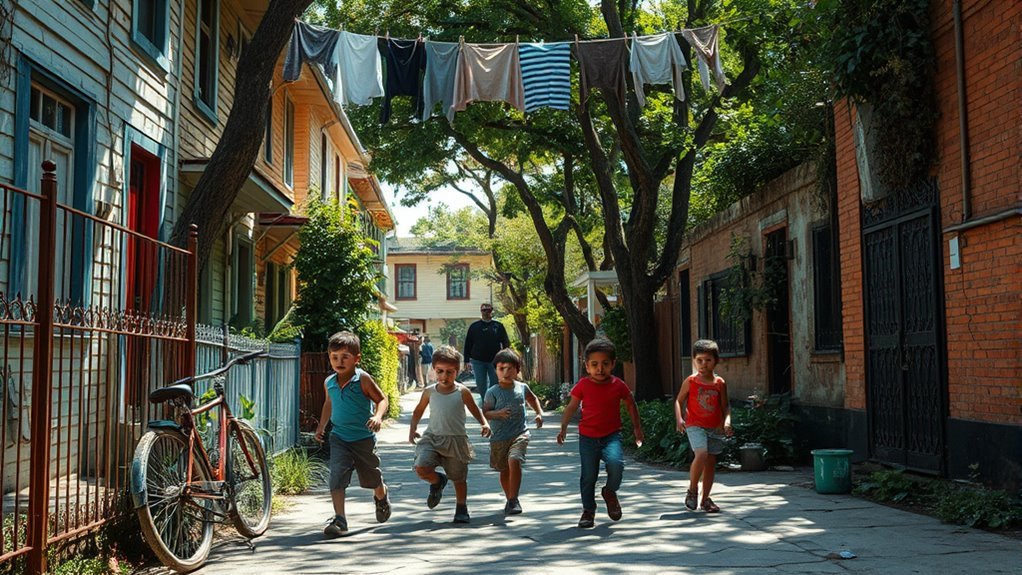
What Do Children Learn From Where They Live?
You learn behaviors, values, and self-worth directly from where you live. Your environment plays a big role in shaping who you are and how you see the world.
If your surroundings are kind and supportive, you’re more likely to develop confidence, respect, and patience.
But if you’re surrounded by negativity or criticism, it can lead to feelings like shame, fear, or low self-esteem.
Safe, nurturing spaces help you feel secure and valued. This, in turn, shapes how you relate to others and view yourself.
It’s pretty amazing how much where you live influences your growth. Keep exploring to see how these surroundings shape you even more as you grow up.
Key Takeaways
- Children learn behaviors and attitudes from their home and community environment, shaping their confidence and self-acceptance.
- Exposure to kindness and respect fosters positive development and healthy emotional growth.
- Negative environments may cause internalized shame, fear, and aggressive behavior in children.
- Consistent praise and supportive feedback build self-esteem and reduce shyness.
- Living among diversity and positive role models helps children develop empathy, inclusion, and strong moral values.
The Impact of Environment on Child Development
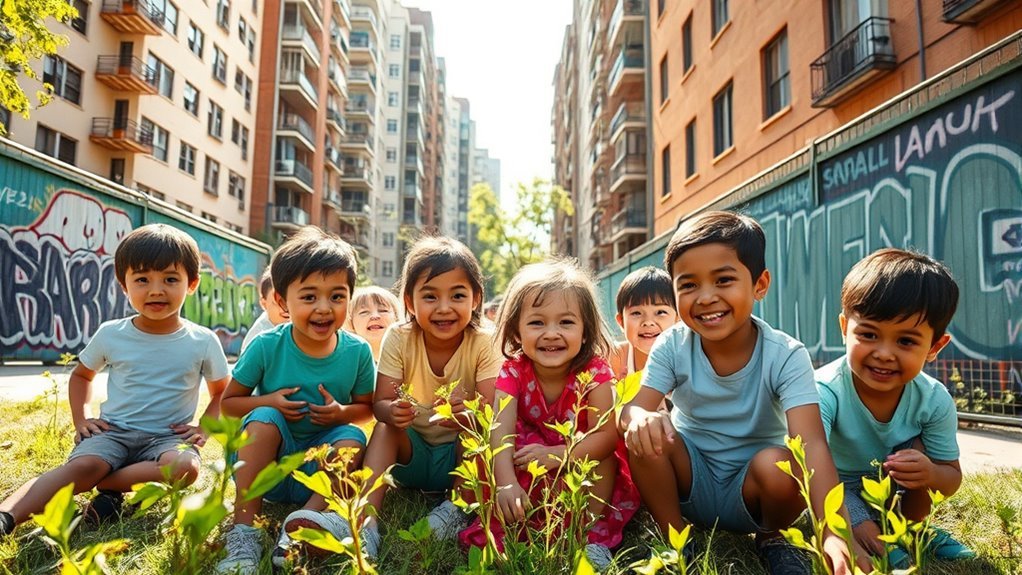
Because children absorb behaviors and attitudes from their surroundings, the environment where they live plays a crucial role in shaping their development. When you create a home filled with kindness, respect, and patience, children grow confident and learn to accept themselves and others.
Praise encourages them, reducing shyness and fear. On the other hand, if hostility and criticism dominate, children may develop guilt, fear, and low self-esteem.
You’ll notice that exposure to negativity can lead to internalized shame and even fighting. Your responses teach them right from wrong, influencing their moral compass.
Creating Nurturing and Safe Spaces for Children
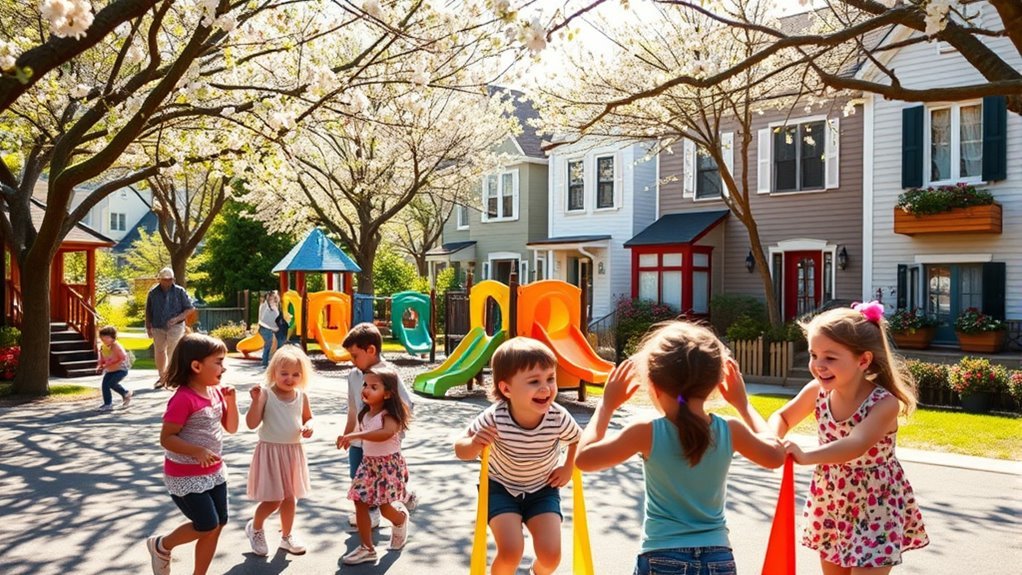
When you create nurturing and safe spaces, children feel secure and valued, which lays a strong foundation for their growth. You foster emotional support and open communication, allowing children to express their feelings and build trust.
Prioritizing safety means addressing harmful behaviors and promoting respect. It also means challenging any racist attitudes that arise.
By modeling behavior such as kindness and honesty, you teach children how to develop healthy relationships and moral values. Embracing diversity and inclusion within your home and community helps children develop a true sense of belonging and empathy.
This supportive environment enhances their emotional well-being, helping them navigate challenges with confidence. Ultimately, creating these spaces empowers children to grow into compassionate and resilient individuals.
Frequently Asked Questions
What Does Children Learn What They Live Mean?
“Children Learn What They Live” means you absorb behaviors and values from your surroundings.
If you grow up in love and honesty, you’ll likely become kind and confident. But negativity might make you fearful or hostile instead.
How Do Children Learn From Their Environment?
Imagine a child as a sponge soaking up water; you learn from your environment the same way—absorbing behaviors, attitudes, and emotions around you.
This shapes your confidence, values, and social skills through daily interactions and examples. It’s like learning without even realizing it, just by being around people and situations every day.
What Is the 3-3-3 Rule for Children?
The 3-3-3 rule means you spend three focused minutes with your child, three times a day, building trust and emotional connection.
It helps your child feel valued, secure, and understood, strengthening your bond daily.
Basically, it’s a simple way to make sure you’re really tuning in to them regularly.
Just a few minutes here and there can make a big difference in how connected you both feel.
What Is the 7 7 7 Rule for Kids?
Imagine planting three seeds daily—gratitude, goals, and kindness.
The 7-7-7 rule helps you nurture these seeds with seven minutes each,
growing your child’s confidence, resilience, and positive mindset one day at a time.
Conclusion
Where you live shapes how you grow, learn, and see the world. Did you know that children raised in safe, nurturing neighborhoods are 40% more likely to perform better in school? This shows just how powerful your environment is in building confidence and curiosity.
By creating positive spaces around you, you’re giving children the best chance to thrive, explore, and become their best selves. So, never underestimate the place you call home—it truly matters.
Your neighborhood isn’t just a backdrop; it’s a key part of a child’s learning and development. When kids feel safe and supported where they live, they’re more eager to learn and more confident in themselves. That’s why fostering caring and positive environments is so important—it helps children grow into happy, successful individuals. Remember, where children live plays a huge role in shaping who they become, so let’s make those places the best they can be.