What Is a Baby Turkey Called?
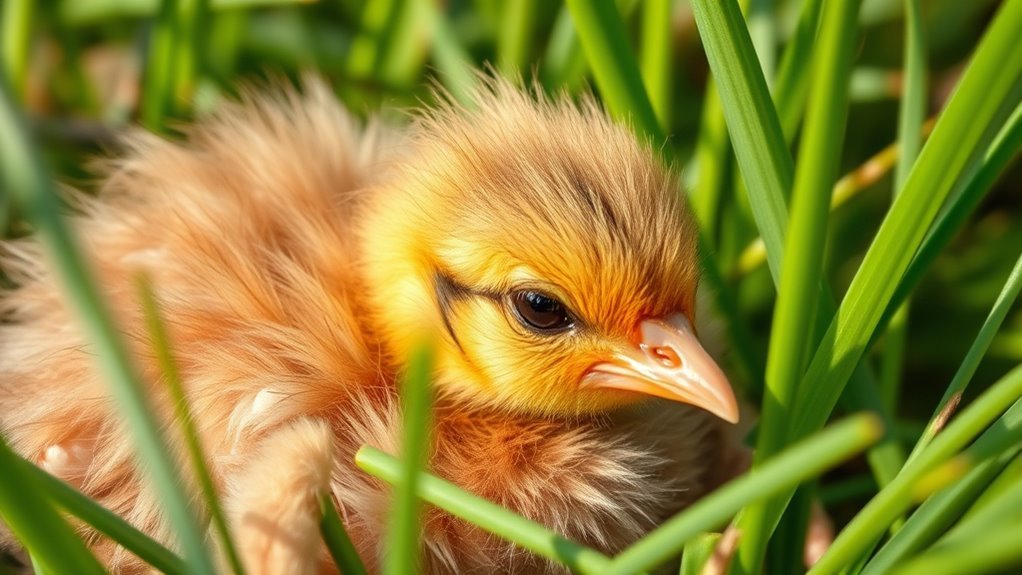
You call a baby turkey a poult, especially in domesticated settings, highlighting its early stage of development. Wild baby turkeys are also called poults or sometimes chicks, which refer broadly to very young birds.
Poult hatchlings hatch covered in soft down feathers and rely on their mother for warmth and protection.
As they grow, poults develop flight skills and learn to survive in the wild.
If you want to understand how these fragile babies grow and thrive, keep exploring their fascinating journey.
It’s pretty amazing to see how poults transform from tiny, vulnerable hatchlings into strong, independent turkeys.
Key Takeaways
- A baby turkey is commonly called a poult, especially in domesticated settings.
- Wild baby turkeys are often referred to as poults or chicks depending on the context.
- The term “chick” broadly applies to very young wild and domestic turkeys.
- Poult emphasizes the early developmental stage in domestic turkeys.
- Baby turkeys hatch covered in soft down feathers and rely on their mother for care.
It’s kind of cute how much they depend on their mom when they’re little!
What Is a Baby Turkey Called?
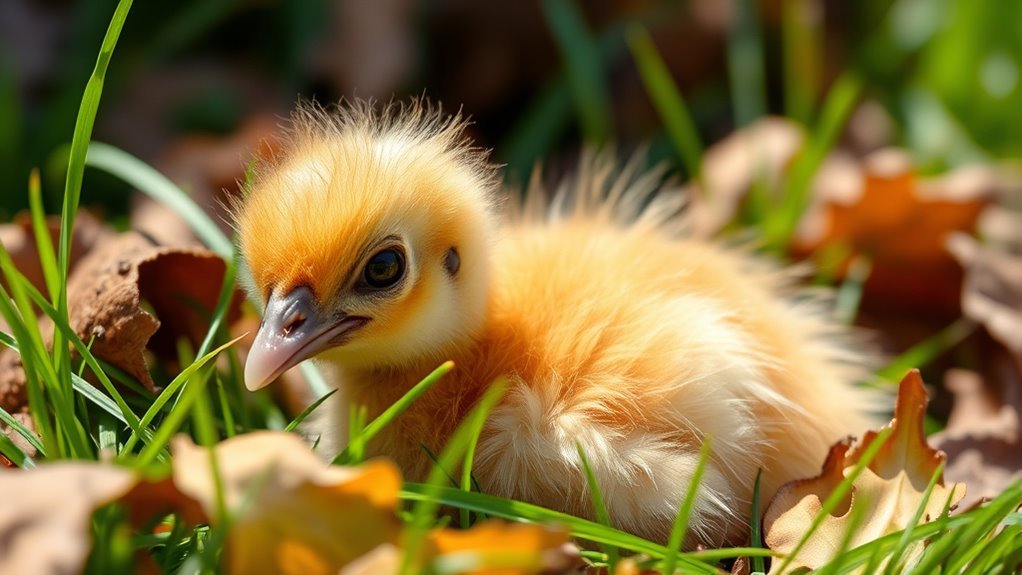
Although you might hear different names, a baby turkey is most commonly called a poult, especially when it’s domesticated. When eggs hatch, these young turkeys emerge as poults, cared for by their mother turkey within the flock.
Wild turkeys also have young turkeys called poults, but you’ll often hear them referred to as chicks, much like baby chickens. This term chick applies broadly to both wild and domestic turkeys when they’re very young, though poult is more precise for domestic turkeys and emphasizes their early developmental stage.
Juvenile turkeys in the wild may be called either poults or chicks, depending on context. Whether you’re watching a mother turkey leading her flock of poults or spotting chicks in the wild, these terms help you identify the baby turkey’s stage and environment.
How Baby Turkeys (Poults) Grow and Develop
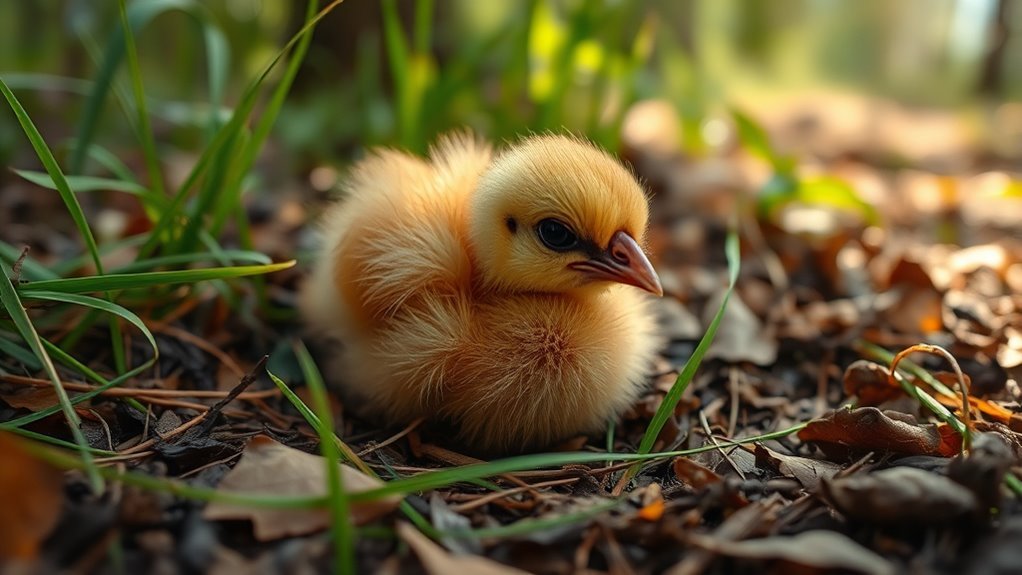
When baby turkeys, or poults, hatch after about 28 days, they’re covered in soft down feathers that keep them warm and buoyant in water. During the first few weeks after incubation, poults rely heavily on their mother for protection and guidance.
Their growth is rapid but requires constant care, as they’re vulnerable to predators. Initially, poults’ diet consists mainly of insects, providing essential protein for development.
As they grow, their diet expands to include seeds, berries, and small animals, helping them build strength. By around five weeks old, poults begin to show signs of flight, practicing short flights that improve their muscles and coordination.
They also start to roost in trees at night, which offers better protection from predators. This development phase is vital for poults to gain the skills needed for survival, including flying and finding safe places to rest.
Watching poults grow gives you a clear view of nature’s careful nurturing process. It’s pretty amazing to see how they go from tiny, fragile birds to strong, independent turkeys.
Frequently Asked Questions
What Is the Proper Name for a Baby Turkey?
The proper name for a baby turkey is a “poult.” You’ll find this term most accurate when referring to very young turkeys, especially domesticated ones.
Before they grow into jakes or jennies as they mature, they’re called poults. It’s a neat little word not everyone knows!
What Are Adolescent Turkeys Called?
Like teenagers finding their style, adolescent turkeys are called jakes if male and jennies if female.
You’ll notice them growing adult feathers and behaviors around 5 to 6 months, stepping into their tom or hen roles.
What Is a Turklet?
A turklet is a cute, informal nickname you’ll hear for a baby turkey. It’s not scientific but a playful twist combining “turkey” and “poult.”
People often use it to add a bit of charm, especially enthusiasts or on social media. It’s just one of those fun, lighthearted terms that make talking about baby turkeys more enjoyable!
What Is a Turkey Less Than 12 Weeks Old Called?
You’ll think a turkey less than 12 weeks old is the cutest fluffball on Earth! They’re called poults, but if you spot a male, it’s a jake; females are jennies.
They’re tiny, curious, and full of life! Just wait until you see one up close—you’ll be smitten in no time.
Conclusion
Now that you know a baby turkey is called a poult, you can spot them with ease! These tiny poults grow quickly, turning into strong, majestic turkeys before you know it.
Isn’t it amazing how something so small can develop so fast? Next time you see a flock, you’ll recognize the little poults and appreciate their journey from fragile hatchlings to fully grown birds.
Keep watching—they’re fascinating to observe! Understanding what a baby turkey is called helps you connect more with nature and enjoy watching these poults grow into beautiful, adult turkeys. So, next time you’re outside, see if you can spot a poult and watch it as it grows into a magnificent turkey!