What Do Baby Cockroaches Look Like and How Can You Identify Them?
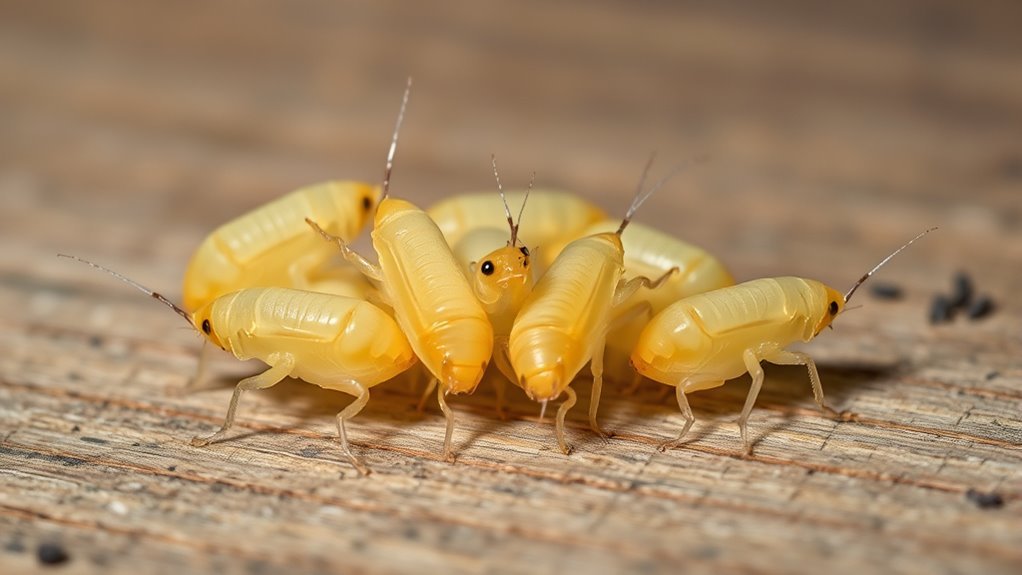
You can spot baby cockroaches by their small, wingless bodies, usually between 1/8 and 1/4 inch long. These baby roaches are pale at first, often white or gray, and then darken as they grow.
They have long antennae, spiny legs, and move quickly in dark, damp places near food sources. Unlike bed bugs, their shape is cylindrical, not flat.
Keep an eye out for their distinct movement and markings—you’ll find even more useful tips to identify them accurately. It’s easier than you might think once you know what to look for!
Key Takeaways
- Baby cockroaches are small, wingless, and cylindrical. They usually measure between 1/8 and 1/4 inch, depending on the species.
- When they’ve just molted, nymphs are pale white or gray. As they grow, they darken to brown or black.
- They have long antennae and spiny legs, which helps you tell them apart from other pests.
- Nymphs move quickly and like to hang out in dark, damp areas near food sources. You’ll often find them in cracks and crevices.
- Their body shape and the way they move make it easier to spot them compared to bed bugs, which are flat, oval, and less active.
Recognizing Baby Cockroaches
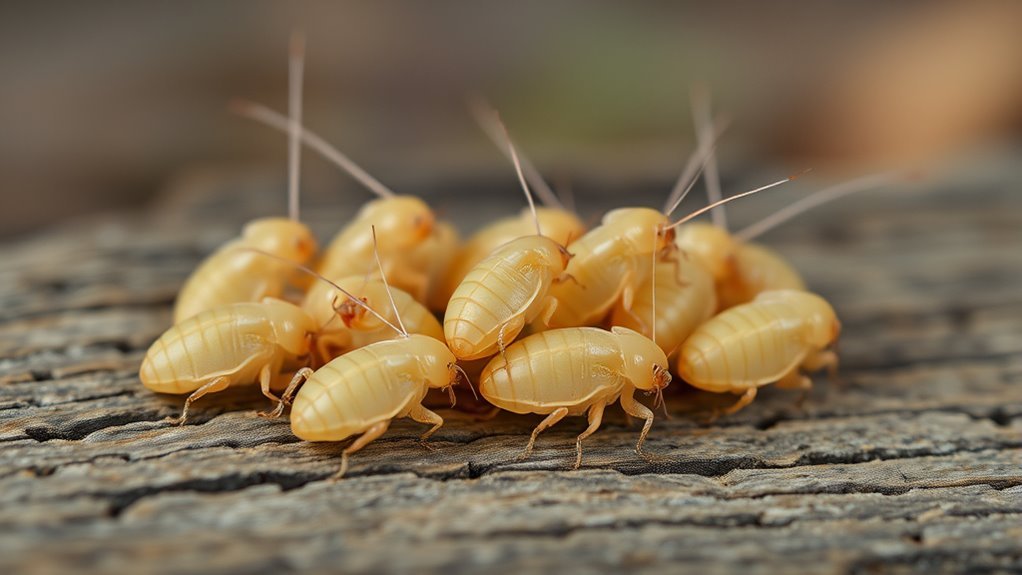
Although they’re small and wingless, baby cockroaches, or nymphs, look like miniature adults and can be spotted by their pale color right after molting, which darkens as they grow.
Baby cockroach nymphs are small, wingless, and pale after molting, darkening as they mature.
When you spot these tiny creatures, typically measuring between 1/8 and 1/4 inch depending on the species, you’re seeing nymphs in various stages of development. Their size and cylindrical bodies make identification easier, especially since they lack fully developed wings.
You might notice distinctive markings, like black lines on German cockroach nymphs or halo-shaped patterns on American ones. These active nymphs often dart around cracks, crevices, or near food sources, signaling an infestation.
Paying attention to their color changes—from white or gray to darker shades—and their long antennae helps you confidently identify baby cockroaches. Recognizing these small, wingless nymphs early can be key to addressing a cockroach infestation before it worsens.
How to Tell Baby Cockroaches and Bed Bugs Apart?
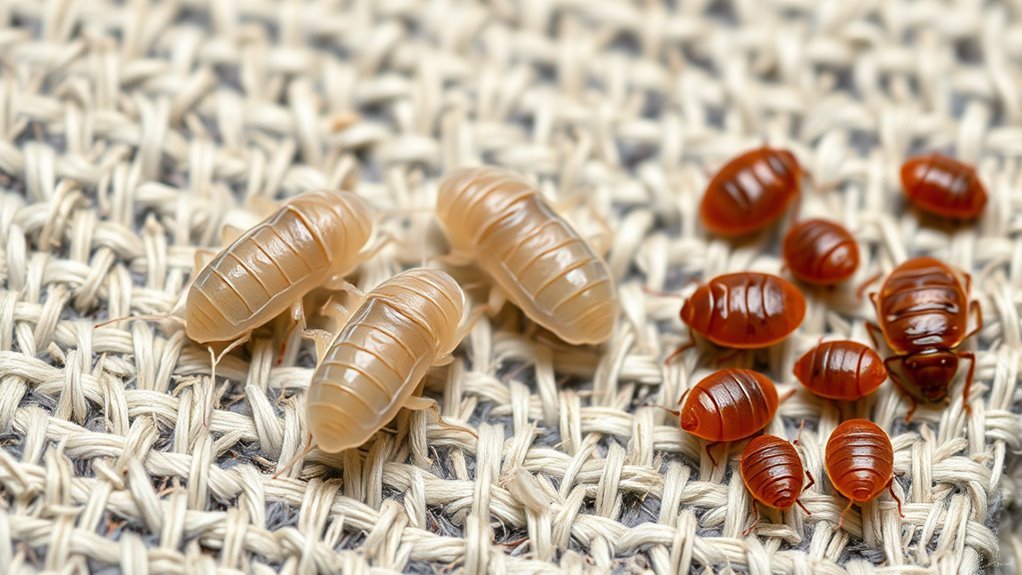
When you’re trying to identify pests, knowing the differences between baby cockroaches and bed bugs is essential. To distinguish these pests, focus on size, body shape, antennae, color, and habitat.
Baby cockroaches are cylindrical and wingless, ranging from 1/8 to 1/4 inch, with long antennae and spiny legs. Bed bugs, in comparison, are flat, oval, about 1/4 inch long, and have short, side-sticking antennae.
Color also helps in identification: baby cockroaches start light or pinkish after molting and darken over time, while bed bugs remain uniformly dark brown or reddish-brown.
Habitat differences stand out too—baby cockroaches prefer dark, damp areas near food and move quickly. Bed bugs, on the other hand, hide in mattress seams, bed frames, and crevices near sleeping spots.
Frequently Asked Questions
Should I Be Worried if I See a Baby Cockroach?
Yes, you should be worried if you see a baby cockroach. It means there’s an active infestation nearby, and that can quickly grow.
You’ll want to act fast. Consider calling professional pest control to protect your home and your health.
What Can Be Mistaken for a Baby Cockroach?
Oh sure, you might mistake a tiny, shiny pellet for a baby cockroach—like a rogue coffee bean escaped your cup.
But really, bed bugs and small beetles often get confused, so check antennae and habitat carefully!
What Kills Baby Cockroaches Instantly?
You can kill baby cockroaches instantly using aerosol sprays with pyrethroids. These paralyze and kill on contact.
For quick elimination, combine sprays with gel baits, dusts like boric acid, and vacuuming for best results. It’s a good idea to tackle them from different angles to make sure they’re gone for good.
Is It Hard to Get Rid of Baby Roaches?
Yes, it’s hard to get rid of baby roaches because they hide well and multiply quickly.
You’ll need thorough cleaning, targeted treatments, and often professional help with growth regulators and baiting systems for effective control.
Conclusion
Now that you know how to notice those nippy, nimble newborn cockroaches, you’re better equipped to spot them swiftly. Remember, baby cockroaches look quite different from bed bugs, so don’t be deceived by similar sizes or shapes.
Stay sharp, stay smart, and stop these sneaky scuttlers before they settle. With a little knowledge and keen eyes, you can conquer creepy critters and keep your space spotless and safe!
Identifying baby cockroaches early is key to effective pest control. They may be small, but these tiny pests multiply quickly and can cause big problems if ignored. By recognizing their unique appearance and habits, you can take swift action to prevent infestations. Keep an eye out, act fast, and maintain a clean environment to keep baby cockroaches from taking over your home. Staying informed and vigilant is the best way to protect your space from these unwelcome pests.