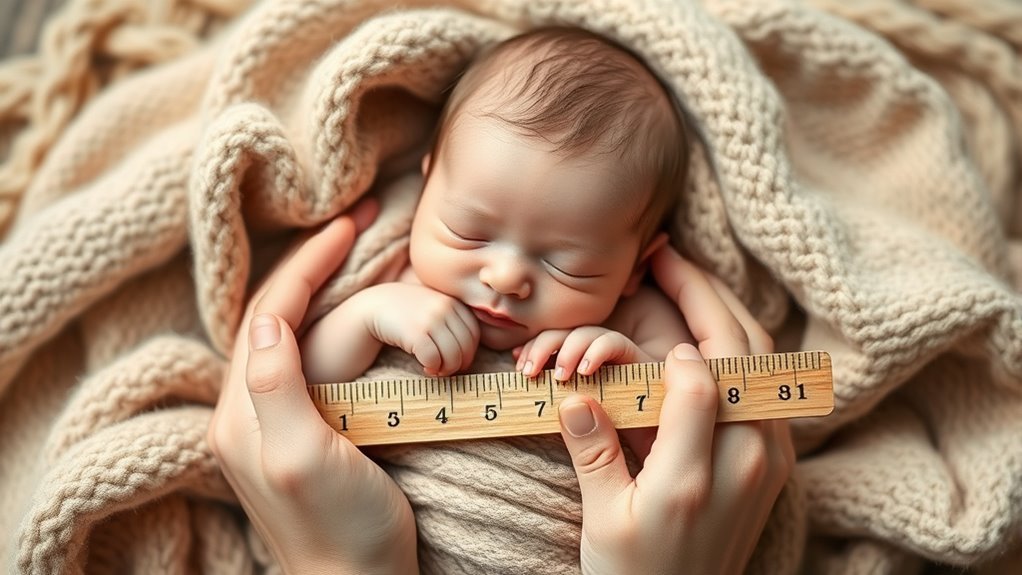
How Long Is a Baby Newborn Guide
You’ll consider your baby a newborn for about the first 28 days, but many parents extend this phase up to two months because of rapid growth and changes. This newborn stage is a special time focused on adjusting to life outside the womb and getting to know your little one’s unique patterns.
During this time, you’ll closely monitor health, sleep, and feeding patterns while watching for key milestones like social smiling and longer wakefulness. These early weeks are full of learning and adapting, both for you and your baby.
Your baby’s readiness to move beyond the newborn stage shows with improved alertness and physical control. Keep an eye on these signs to support your little one’s progress and discover what comes next. It’s all part of the exciting journey of parenting!
Key Takeaways
- The newborn stage officially lasts 28 days but is often considered up to two months due to rapid growth. This period focuses on health monitoring and tracking developmental milestones.
- You’ll notice significant changes in sleep and feeding patterns, especially in the first month.
- Key milestones like social smiling and longer wakefulness typically emerge around 8 weeks.
- Transition readiness is marked by longer sleep stretches, increased alertness, and improved physical control.
How Long Does the Newborn Stage Last? Key Milestones to Expect
Although the newborn stage officially lasts only 28 days, many people consider the first two months as the newborn period because of rapid growth and key developmental milestones. During the newborn stage and especially the first month, you’ll focus heavily on health monitoring and tracking your baby’s growth.
The newborn stage is a vital period for growth, health monitoring, and key developmental milestones.
This time is critical for catching any early health concerns. By the time your baby is about eight weeks old, you’ll notice exciting developmental milestones like social smiling, which marks the start of more interactive behavior.
Sleep patterns and feeding schedules become more predictable around this time, making your days a bit more manageable. After the first month, your baby progresses into early infancy, showing longer wake periods and increased awareness.
Understanding these changes helps you support your little one’s development effectively, ensuring a smooth progression through these important initial weeks old.
When and How to Transition Out of the Newborn Stage: Signs and Tips
As your baby grows, you’ll notice clear signs indicating it’s time to shift out of the newborn stage. While the newborn stage typically lasts until 28 days, the change begins as your little one hits important developmental milestones around 2-3 months.
Watch for these signs of readiness to guide you through this phase:
- Improved sleep patterns with longer stretches at night
- Increased alertness and responsiveness to surroundings
- Stronger physical control, like lifting their head during tummy time
- Social smiles and more predictable feeding routines
- Longer periods of wakefulness and active engagement
This progression isn’t about strict age cutoffs but milestone achievements that show your baby’s growth beyond the early days.
Keep track of these changes and adapt care accordingly. If your baby reaches these milestones earlier or later, consult your healthcare provider to ensure a healthy progression through this exciting phase.
Frequently Asked Questions
What Is the 3 6 9 Rule for Babies?
The 3-6-9 rule helps you track your baby’s development by focusing on key milestones at 3, 6, and 9 months. These include things like establishing routines, sitting unsupported, and starting to crawl.
Knowing these milestones lets you support their growth effectively. It’s a simple way to keep an eye on how your baby is doing.
What Week Is No Longer a Newborn?
You’re no longer dealing with a newborn after week 4—that’s when babies pass the 28-day mark.
Curiously, by this time, many start social smiling. It’s a sign they’re moving beyond the newborn stage and growing fast.
Is My 8 Week Old a Newborn Baby?
Yes, your 8-week-old is often still considered a newborn since many milestones and behaviors fit that stage.
Though officially beyond the first month, you’ll notice they’re still growing and developing typical newborn traits.
It’s pretty common to think of them as a newborn a little longer because they’re still adjusting and changing so much.
Conclusion
You might be surprised to learn that the newborn stage typically lasts about 6 weeks, but every baby is unique. During this time, your little one will grow rapidly, often doubling their birth weight by 5 months.
Knowing when to move on from this stage helps you support their development confidently. Trust your instincts, watch for key milestones, and enjoy every moment—these early weeks truly fly by faster than you’d expect!
Understanding how long a baby is considered a newborn is helpful for new parents. It lets you tailor care and expectations during this special phase. Remember, every child grows at their own pace, so stay patient and cherish these precious early days.