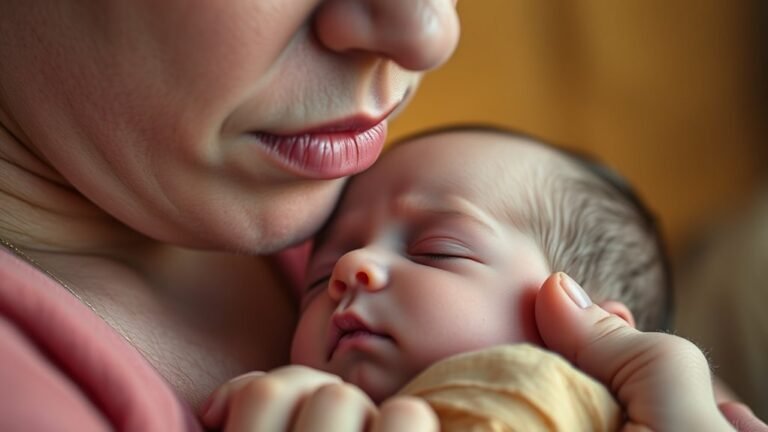
When Should You Stop Swaddling Your Baby and How
You should stop swaddling your baby between 2 to 4 months, especially once they start showing signs of rolling or resisting the swaddle. Knowing when to stop swaddling is important for your baby’s safety and comfort.
This transition helps reduce the risk of SIDS and supports their natural development.
Start by leaving one arm out of the swaddle for a week or two. This gives your baby a chance to get used to more freedom while still feeling cozy.
After that, fully shift to a sleep sack or wearable blanket.
Keeping sleep routines consistent during this time is key. If you want to keep your baby safe and comfortable, learning the right steps can make a big difference.
It’s all about making the change smooth and stress-free for both of you.
Key Takeaways
- Stop swaddling between 2 to 4 months. This is especially important when your baby shows signs of rolling or tries to break free from the swaddle.
- You can tell your baby is ready to stop swaddling if they move around more, resist being swaddled, or if their startle reflex becomes less noticeable.
- Try transitioning slowly by leaving one arm out for 1 to 2 weeks. Then you can stop swaddling completely.
- Instead of swaddling, use sleep sacks or wearable blankets. These keep your baby warm and safe while they sleep.
- Always put safety first. Stop swaddling as soon as your baby starts rolling to reduce the risk of SIDS and create a secure sleep space.
When Should You Stop Swaddling Your Baby?

Although swaddling can comfort your baby in the early months, you should stop once they start showing signs of rolling over, typically between 2 to 4 months. Recognizing these signs of rolling is vital for baby safety and safe sleep.
Swaddling comforts newborns but should end when your baby begins rolling, usually between 2 to 4 months.
The American Academy of Pediatrics advises stopping swaddling as soon as your baby attempts to roll onto their stomach to reduce SIDS risk. You might notice your baby breaking out of the swaddle or resisting it—these developmental cues signal it’s time for a swaddle changeover.
To maintain a consistent sleep routine while prioritizing safety, begin the changeover gradually by leaving one arm out. This helps your baby adjust while supporting their natural development.
Delaying the stop swaddling process beyond four months can increase SIDS risk and developmental concerns, so timely action is essential. Watching these cues carefully ensures your baby’s comfort and safety during this important stage.
How Do You Transition Your Baby Out of the Swaddle Safely?

Once your baby shows signs of rolling over or starts resisting the swaddle, it’s time to help them adjust to sleeping without it. Begin the gradual transition by leaving one arm out of the swaddle for 1-2 weeks. This lets your baby get used to freer movement while still feeling secure.
After that, stop swaddling both arms and switch to a sleep sack or wearable blanket. These alternatives provide warmth and comfort without restricting movement, which helps sleep during this change.
Watch for signs your baby is ready, such as decreased startle reflex and attempts to roll. These signs of rolling indicate the right age to stop swaddling and ensure safe sleep.
Also, keep the sleep environment free from loose bedding or fabric to reduce suffocation risks. Using white noise and a consistent bedtime routine can also comfort your baby through this transition, making it easier for both of you to adapt.
Frequently Asked Questions
What Is the 5-3-3 Rule for Babies?
The 5-3-3 rule means your baby stays awake for 5 hours total, naps for 3 hours, and sleeps 3 hours straight during naps.
It helps you balance their wake and sleep times to avoid overtiredness.
Basically, it’s a simple way to keep your baby’s sleep schedule on track.
Why Is Swaddling Unsafe After 8 Weeks?
Swaddling after 8 weeks is like locking wings on a bird—it’s unsafe because your baby starts rolling, risking suffocation, overheating, and delayed motor skills.
You’ve got to let those tiny arms stretch and grow free.
How Can I Tell if My Baby Still Needs Swaddling?
You’ll know your baby still needs swaddling if they startle easily, fuss a lot, or can’t settle without it.
If they resist swaddling or begin rolling, it’s time to stop or shift gradually.
It’s all about what makes your little one feel safe and comfy. Just watch how they react and go from there!
When Should I Let My Baby Sleep Unswaddled?
You should let your baby sleep unswaddled around 2-4 months, especially once they start rolling.
About 90% of babies show resistance to swaddling by then, signaling it’s time to shift gradually for safety.
It’s totally normal if your little one starts fussing when swaddled at this stage. Just take it as a sign to start letting them sleep without it.
Conclusion
You should stop swaddling your baby when they start showing signs of rolling over or trying to break free, usually around 2 to 4 months. This is an important milestone to watch for because it means your baby is ready for a safer sleeping arrangement.
You can make the transition easier by loosening the swaddle first. Another option is switching to a sleep sack, which still keeps your baby cozy but gives them more freedom. You might also try offering one arm out at a time to gradually help them adjust.
Remember, your goal is to help your baby sleep safely, sleep comfortably, and sleep independently. Take it slow and stay consistent with the changes. Trust your baby’s natural rhythm and cues—they’ll guide you through this transition smoothly. Swaddling is just one step in your baby’s sleep journey, and moving on from it at the right time supports their growth and safety.